
Introduction
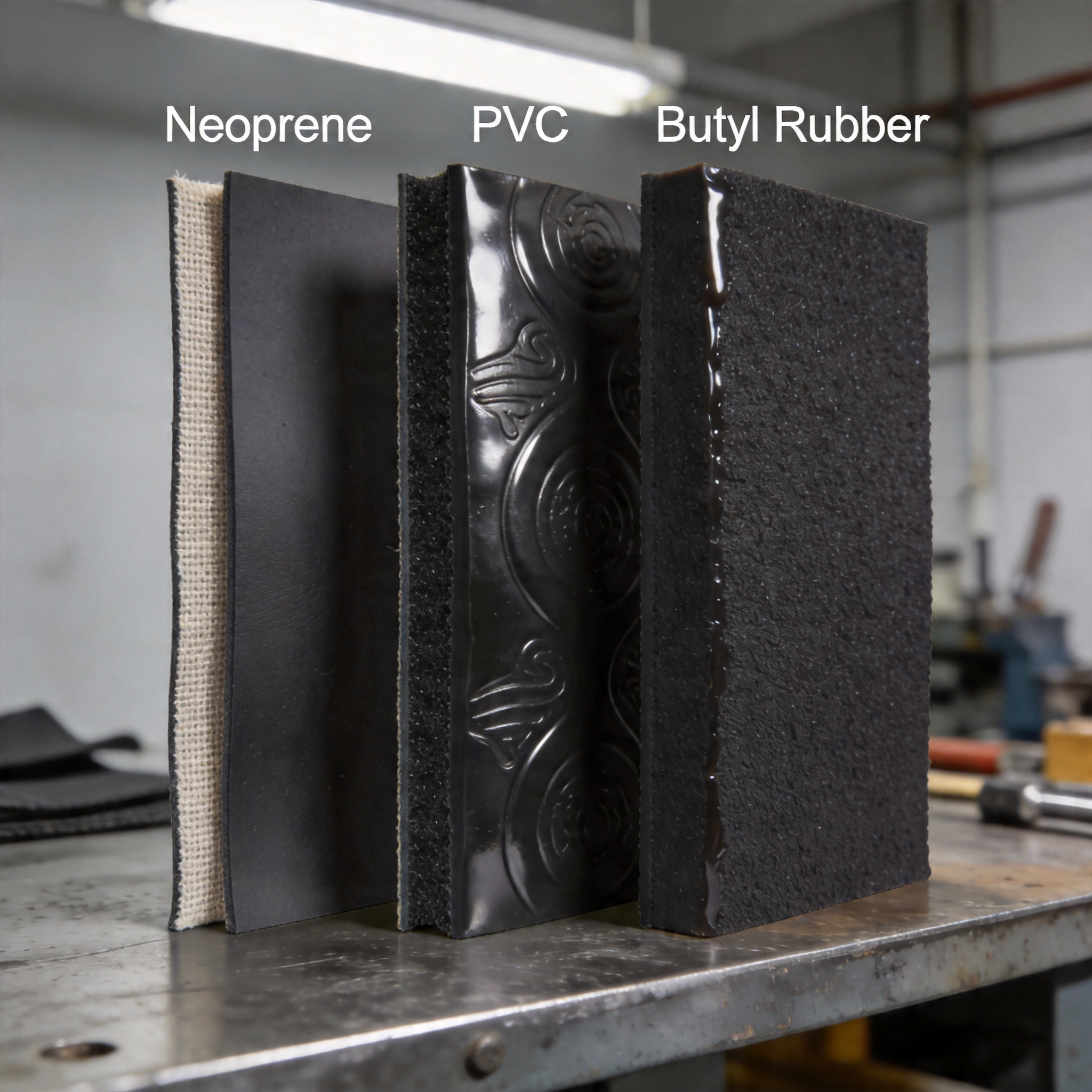
Choosing the right protective suit material is crucial for ensuring worker safety. The three mainstream protective suit materials on the market are neoprene, PVC, and butyl rubber, each with their own advantages and disadvantages. This article provides a detailed comparison from multiple dimensions.
#
Material Characteristics
Neoprene is a synthetic rubber with excellent overall performance.
#Advantages
#
Disadvantages
#
Applications
#
Shanghai Jinling Recommended Products
#
Material Characteristics
PVC is one of the most common protective suit coating materials with high cost-effectiveness.
#Advantages
#
Disadvantages
#
Applications
#
Shanghai Jinling Recommended Products
#
Material Characteristics
Butyl rubber is a premium protective material with the strongest protective performance.
#Advantages
#
Disadvantages
#
Applications
#
Shanghai Jinling Recommended Products
| Feature | Neoprene | PVC | Butyl Rubber |
|---------|----------|-----|--------------|
| Price | Medium | Low | High |
| Acid Resistance | Excellent | Good | Excellent |
| Alkali Resistance | Excellent | Good | Excellent |
| Organic Solvent Resistance | Good | Poor | Excellent |
| Gas Protection | Good | Poor | Excellent |
| Flexibility | Excellent | Fair | Good |
| Service Life | Long | Medium | Long |
#
Choose Based on Work Environment
#
Choose Based on Budget
#
Choose Based on Usage Frequency
As a professional protective suit manufacturer with over 20 years of experience, we offer a complete range of protective equipment:
Contact us for detailed product information and quotations!
Protective suit materialsNeoprenePVCButyl rubberMaterial comparison
图片加载失败
Protective Suits
Double Coated Acid-Resistant Two-Piece Suit (3015)
Double coated acid-resistant two-piece work suit, featuring nylon filament fabric with neoprene rubber coating, providing protection against acid, alkali, and chemical solvents. Suitable for chemical, laboratory environments.
Double-sided coating protectionTwo-piece design for easy wearAcid and alkali resistant
图片加载失败
Protective Suits
Double Coated Acid-Resistant Long Suit (3019)
Double coated acid-resistant long work suit, featuring nylon filament fabric with neoprene rubber coating, providing comprehensive protection against acid, alkali, and chemical solvents. Ideal for chemical and laboratory settings.
Long full-body protectionDouble-sided coatingHigh-strength wear-resistant
图片加载失败
Protective Suits
Acid-Resistant Two-Piece Suit (3088)
Acid-resistant two-piece work suit with all-cotton inner fabric and double-sided neoprene coating, offering protection against acid, alkali, and chemical solvents. Two-piece design allows easy wearing and removal.
100% cotton comfortable liningTwo-piece for easy wearEconomical and practical
Comments
No comments yet. Be the first to comment!